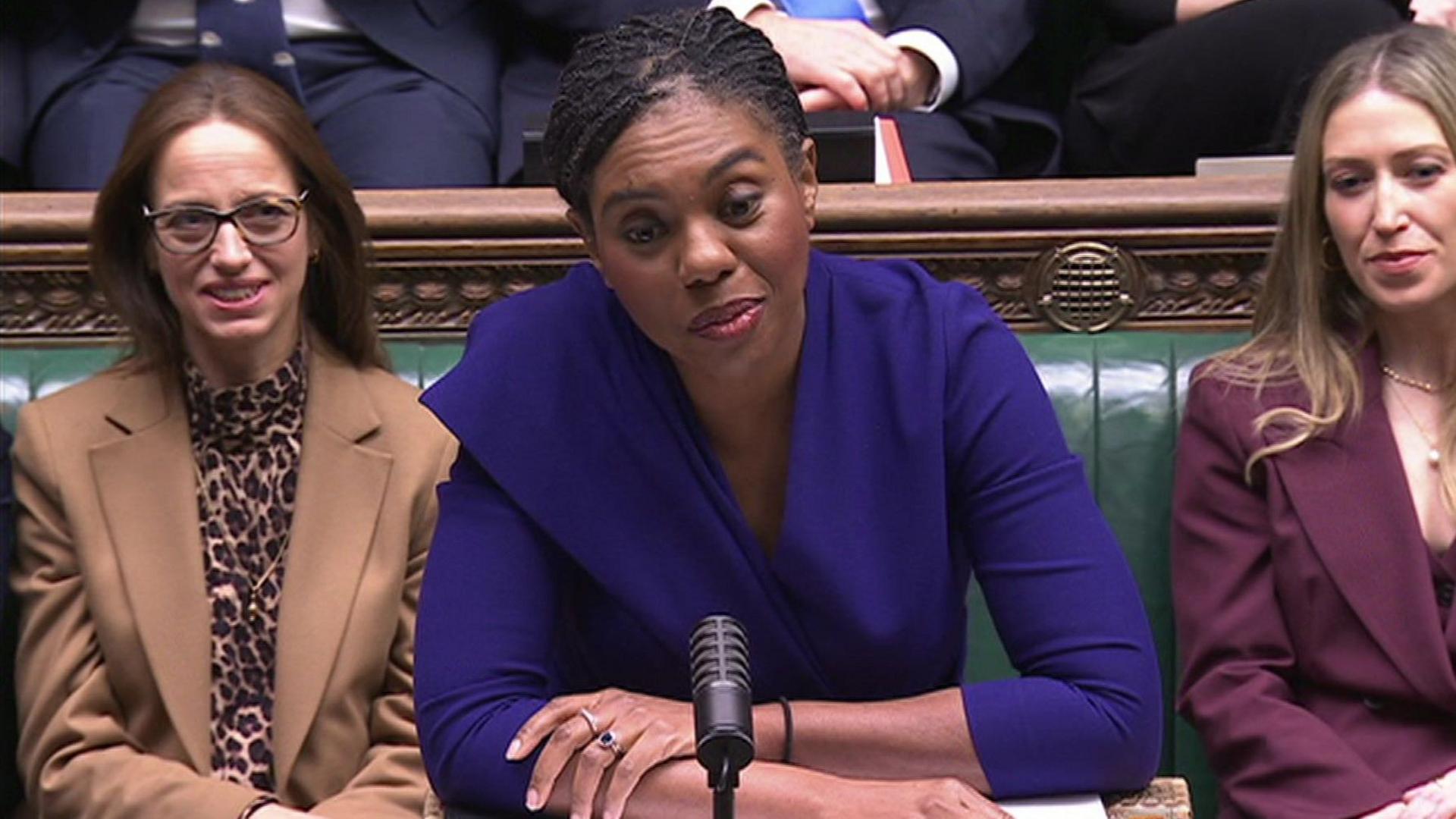
Prime Minister Andy Burnham faced a direct challenge from Conservative leader Kemi Badenoch this week over what many in higher education feared: that EU students could soon pay the same tuition fees as British students—currently capped at £9,790 a year, far below the £11,400 to £38,000 that EU students now pay. The question matters enormously, yet Burnham's response amounted to political theater rather than clarity. When pressed on whether he would rule out equalizing fees, he insisted it was 'the European negotiating position' and 'won't be put on the table'—a carefully worded non-answer that actually answers nothing about British policy.
Following a UK-EU summit last Friday, the two sides agreed a deal covering food exports, emissions trading, and a youth travel scheme, with a joint statement committing them to work toward a 'supplementing' agreement on tuition fees for EU and British students. EU sources had suggested the bloc might hold up the wider deal to secure lower fees for European students in the UK. Yet Burnham has insisted the broader agreement will proceed regardless. This creates a concerning disconnect: either Burnham is genuinely uncertain about whether he'll concede on fees, or he's chosen obfuscation over honest dialogue with universities and taxpayers.
Badenoch posed the right question for everyone watching this unfold: who pays if EU and British students are charged identically? 'Cash-strapped universities or cash-strapped taxpayers?' she asked. Universities have made clear the financial stakes—capping EU student fees at domestic levels could cost hundreds of millions annually at a moment when the sector is already struggling. Burnham's response—that the deal 'is not done' and discussions continue—dodges her point entirely. That's not leadership on a question affecting institutional survival and public finances.
The prime minister's official spokesman later declined to get 'ahead of the outcome of ongoing talks,' which is parliamentary speak for 'we haven't decided.' But six months of negotiations loom, and universities deserve to know where the government stands. Burnham framed this as a 'separate deal' from the main EU agreement, suggesting tuition fees are a secondary matter. That's precisely backwards. If the government intends to lower fees for EU students, that's a major policy shift with enormous implications that should be debated openly, not negotiated quietly.
The British public and higher education institutions need Burnham to stop hiding behind diplomatic language. Either he will equalize fees for EU students—meaning universities absorb costs or taxpayers pay more—or he won't. That choice belongs in the open, not buried in EU summit communiqués and parliamentary evasions. What happens in the next six months matters far too much for prime ministerial ambiguity.