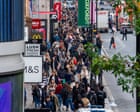
Oxford Street, Europe's busiest shopping street, closed to all vehicle traffic on 26 October. The pedestrianisation affects half of the street's 1.2-mile stretch in central London, banning cars, lorries, vans, taxis, buses, bicycles, ebikes and scooters. Only pedestrians and emergency vehicles are permitted.
London Mayor Sadiq Khan announced the plan in February. The closure ends decades of disputes over the transformation. Khan described the change as the most significant alteration to central London's streetscape since 2003, when Trafalgar Square was redesigned from a roundabout into a public plaza.
For Khan, the project connects to a broader environmental agenda. Three years ago he published a memoir and manifesto titled "Breathe," which linked his childhood asthma to air pollution in London. He frames pedestrianising Oxford Street as part of a mission to build a greener city focused on public health, walking and cycling.
The street currently carries a poor reputation among Londoners. It is described as both unloved and polluted. Supporters of the closure hope the removal of vehicle traffic will transform it into a space where people want to spend time, rather than merely pass through.
The pedestrianisation will form the most visible component of Khan's legacy, regardless of whether he seeks a fourth mayoral term in 2028.